
 Novo’s CagriSema was associated with 25% mean weight loss among early responders in a post hoc analysis of REDEFINE 1 presented at ObesityWeek®️ 2026
 الخسائر ليست قدراً… السوق لا ينتظر من يخلق له الفرص!
 Saudi Creativity Finds a Home on Bigo Live
 AlShrouq Express Strengthens Operational Efficiency Across Saudi Arabia, Supporting Over 50,000 Daily Deliveries
“Color Harmony” by Jazeera Paints and Sumaya Dabbagh Explores the Role of Color in Architecture and Human Experience
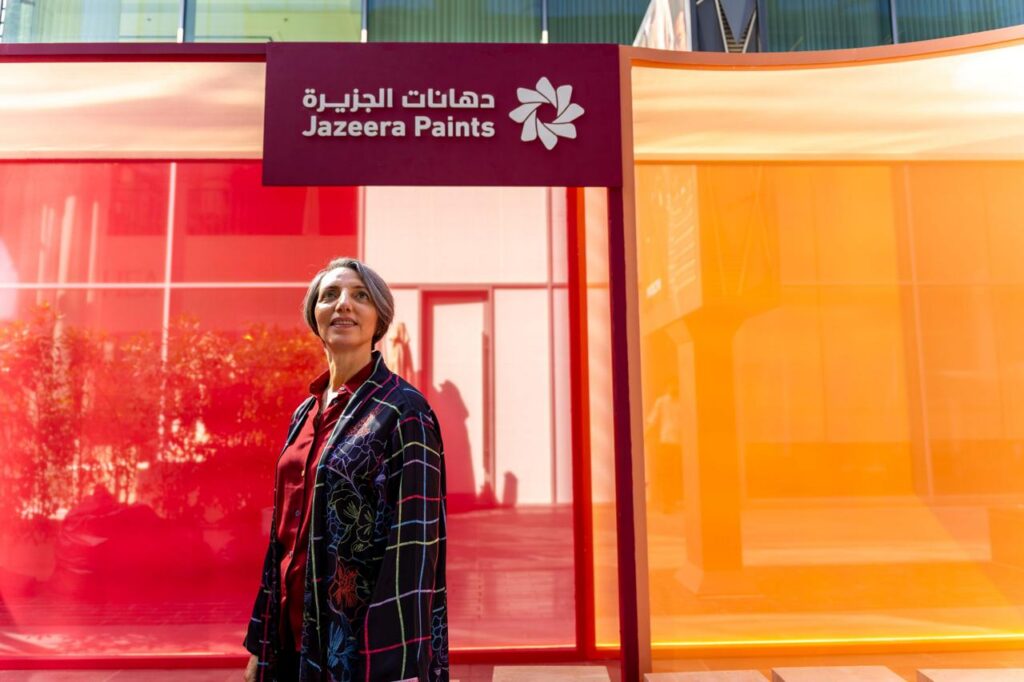
- Showcased during Jazeera Paints’ participation in Dubai Design Week 2026
Ain Alalam – Rashad Iskandrni
As interest grows in the role of color in shaping architectural experiences, Jazeera Paints used its participation in the 12th edition of Dubai Design Week 2026 to explore the potential of color as an active element in shaping spaces and enriching people’s experiences. This vision was embodied in the installation “Color Harmony” (Color Collective), developed in collaboration with Saudi architect Sumaya Dabbagh to showcase the interplay between color, architecture, and the human experience.
Presented at Dubai Design District (d3), the installation “Color Harmony” transformed color from a purely visual element into an immersive spatial and sensory experience. The work featured transparent, overlapping layers of color that shifted in appearance as visitors moved through the installation and viewed it from different angles. The interaction of light with these layers created new gradations and constantly evolving visual compositions. Through the interplay of color, light, and space, visitors experienced how color can shape a place’s identity and atmosphere, highlighting its influence on both architecture and human experience.
The experience also included a distinctive majlis inspired by traditional Arabian gathering spaces, reinterpreting one of the most prominent elements of local architecture through a contemporary combination of shade, sheer fabrics, and soft lighting. It offered a space for reflection and conversation, celebrating the values of hospitality while allowing visitors to experience the impact of color in a shared setting that complemented the atmosphere of Dubai Design Week.
Saudi architect Sumaya Dabbagh said: “Colors are an essential part of the architectural language; they go beyond shaping a place’s visual identity to influence how people interact with and perceive it. The collaboration with Jazeera Paints provided an opportunity to explore the possibilities of color as an active element in the spatial experience. We wanted to approach color differently from our previous work, using it to bring people together, spark curiosity, and encourage them to explore and interact with spaces. This is the concept behind “Color Harmony”: strengthening connections between people through a shared experience.”
Sumaya Dabbagh added: “Color has the power to influence emotions and shape the atmosphere of a space. Warm tones create a sense of comfort, while the interplay of color and light, whether bold or subtle, creates rich and varied spatial experiences. Although our work is often characterized by white spaces and the use of light and shadow, this project gave us an opportunity to explore color in a more playful and vibrant way and highlight how light and color work together to shape the architectural experience.
For his part, Abdullah Bin Saud Al-Romaih, CEO of Jazeera Paints, said: “Creative events such as Dubai Design Week provide a space for dialogue among designers, architects, and artists, helping to deepen our understanding of how color and materials can enrich people’s experiences within architectural spaces. Collaborations like this also provide valuable insights into how color is used across different architectural environments, which we can draw upon to develop solutions that better meet the needs of designers and architects.”
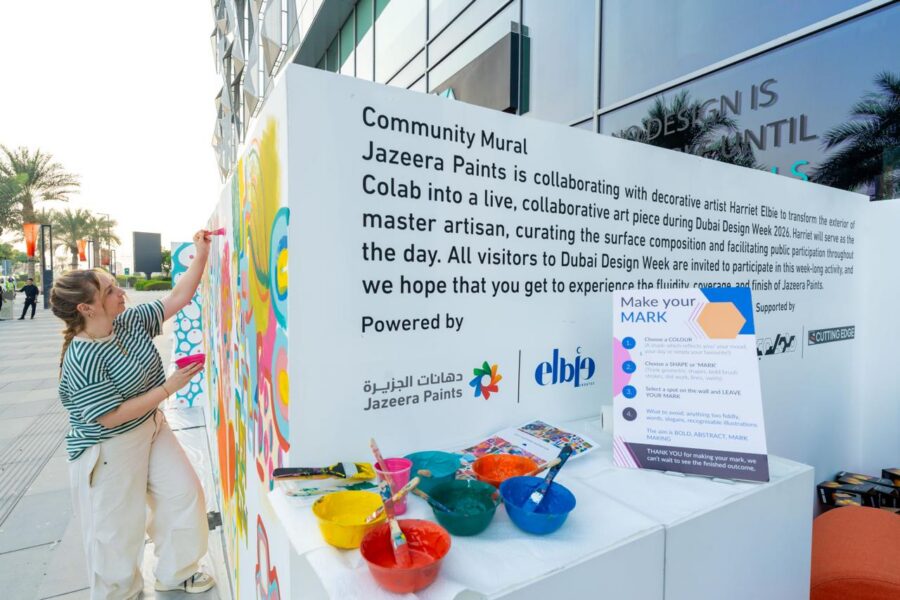
Jazeera Paints’ participation also included a collaboration with British artist Harriet Alby on an interactive 15-meter-long mural designed to transform visitors from spectators into active participants in the creative process. The mural featured 3D compositions that allowed visitors to help complete the artwork by adding color using Jazeera Paints products. The experience celebrated collaboration while highlighting the relationship between color, movement, and visual perception.
Through these installations, Jazeera Paints demonstrated how color can transcend its traditional aesthetic function to become a powerful element in shaping human experience within architectural spaces, while fostering dialogue between design, art, and society.

