
 تنطلق أعمال منتدى الرياض الاقتصادي في دورته الثانية عشرة خلال الفترة من 12 إلى 14 أكتوبر 2026، تحت رعاية خادم الحرمين الشريفين الملك سلمان بن عبدالعزيز آل سعود – حفظه الله.
  Spend smarter this holiday shopping season with the Commerce Power Pack
  بمشاركة نخبة من أطباء القلب.. جمعية القلب السعودية تطلق ملتقى توعويًا في الرياض بمناسبة اليوم العالمي للقلب
  Ninja x Danette Bring a Frozen Twist to Saudi National Day
 A&M REPORT SETS OUT HOW SAUDI FOOTBALL CLUBS CAN FUND FUTURE GROWTH
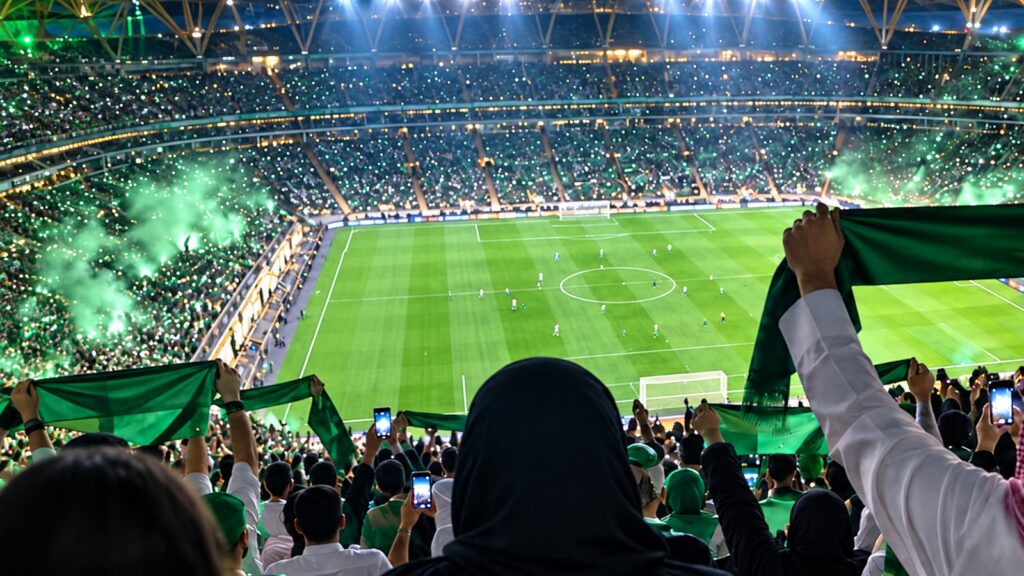
- Five-step framework sets out how clubs can move from shareholder support towards more sustainable third-party financing
- Sponsorship receivables represent the Kingdom’s most immediately bankable club asset
- Longer-term opportunity lies in building new revenues through talent development, broadcast growth and a broader international sponsor base
Ain Alalam – Rashad Iskandrni
September 29, 2026 – Alvarez & Marsal (A&M), the global professional services firm known for its senior-led, operator-driven approach, has published a new report examining how Saudi football clubs can develop the financing structures needed to support future growth.
The report, The Bankable Football Club: Underwriting Saudi Football’s Next Phase, identifies five steps Saudi clubs can take to strengthen their financing models as the sector transitions from shareholder-funded growth towards greater use of third-party capital.
Saudi football has undergone significant change since the Public Investment Fund acquired 75% stakes in Al Hilal Saudi Club, Al-Nassr FC, Al-Ittihad Club and Al-Ahli Saudi FC in 2023, alongside the transfer of other clubs to entities including Aramco, NEOM, Diriyah and the Royal Commission for AlUla. Successive privatization rounds are now bringing private investors into the sector, while foreign ownership of up to 100% is permitted.
This transition is changing the financing requirements of clubs. Saudi Pro League clubs committed more than $1.5 billion in transfer markets from the 2023 growth phase onward, with much of that investment supported by shareholders. In July 2025, the Ministry of Sport introduced financial regulations designed to promote greater financial sustainability in the sector. As clubs assume greater responsibility for financing their own operations, the report argues that the structure and predictability of their revenues will increasingly determine the cost and availability of capital.
Unlike leading European football markets, where commercial revenue is balanced by substantial broadcast and matchday income, Saudi club revenues remain more heavily weighted towards commercial and sponsorship income. Among the world’s 20 highest-earning football clubs, revenue in 2024/25 was split between commercial income at 43%, broadcast at 38% and matchday at 19%. In Saudi Arabia, sponsorship plays a more dominant role, making contracted sponsorship receivables the most immediately bankable asset for many clubs.
Kurt Davis Jr., Managing Director and Head of Debt & Capital Advisory, Middle East & Africa at Alvarez & Marsal, said: “Saudi football has attracted substantial investment and established itself on the global sporting stage. The next phase is about building financing structures that can support that growth sustainably. For clubs today, contracted sponsorship revenues are likely to be the starting point, with broadcast, matchday and player-trading revenues creating a broader financing base over time.”
The report identifies five steps to building stronger financing structures for Saudi football clubs: separating recurring revenues from episodic income; structuring and contracting revenues before seeking financing; addressing regulatory and assignment requirements early; establishing working capital facilities before liquidity is required; and testing multiple sources of capital, including local and regional banks, private credit and the sukuk market.
European football provides established models that Saudi clubs can draw from, including financing against contracted media, sponsorship and transfer receivables, longer-term borrowing against fixed assets, and committed working capital facilities. The report notes that lenders distinguish between contracted and anticipated revenue, and that what financing is secured against matters more than the instrument itself. Looking ahead, A&M also identifies an opportunity to expand the revenue base through talent development, player trading, stronger international broadcast reach and a broader global sponsor mix.
Davis added: “The opportunity goes beyond financing today’s revenue base. Clubs that build stronger international audiences, develop talent and diversify their sponsor base can create new sources of predictable revenue and, in turn, access a broader pool of capital on more competitive terms.
“With Saudi Arabia hosting the FIFA World Cup in 2034, there is a clear opportunity to build that ecosystem well before the tournament and use the World Cup to accelerate the development of a sustainable domestic football economy beyond 2034.”
About Alvarez & Marsal
Founded in 1983, Alvarez & Marsal is a leading global professional services firm. Renowned for its leadership, action and results, A&M provides advisory, business performance improvement and turnaround management services, delivering practical solutions to clients’ unique challenges. With a worldwide network of experienced operators, world-class consultants, former regulators and industry authorities – and a long-standing presence across Europe and the Middle East – A&M helps corporates, boards, private equity firms, law firms and government agencies drive transformation, mitigate risk and unlock value at every stage of growth. To learn more, visit: AlvarezandMarsal.com

